

Engineering Embedded Autonomy for Real-World Machines
Neuroflux Systems provides end-to-end autonomy engineering services for robotics manufacturers, industrial operators, and organisations building intelligent machines. From perception to decision-making, simulation to deployment, our work is grounded in reliable engineering principles and designed for environments where safety, precision, and rapid response are essential. Our services cover the full autonomy lifecycle, enabling teams to build, test, validate, and scale robotic intelligence with confidence.
WHAT WE DO
At the core of Neuroflux’s offering is the development of embedded intelligence that gives autonomous machines their practical capabilities: the ability to interpret their surroundings, understand context, plan actions, and execute them safely. Unlike traditional automation systems that rely on pre-set rules, our autonomy solutions are adaptive, context-aware, and engineered for real-time performance. This approach ensures machines can operate with confidence in unpredictable industrial, logistical, or field environments.
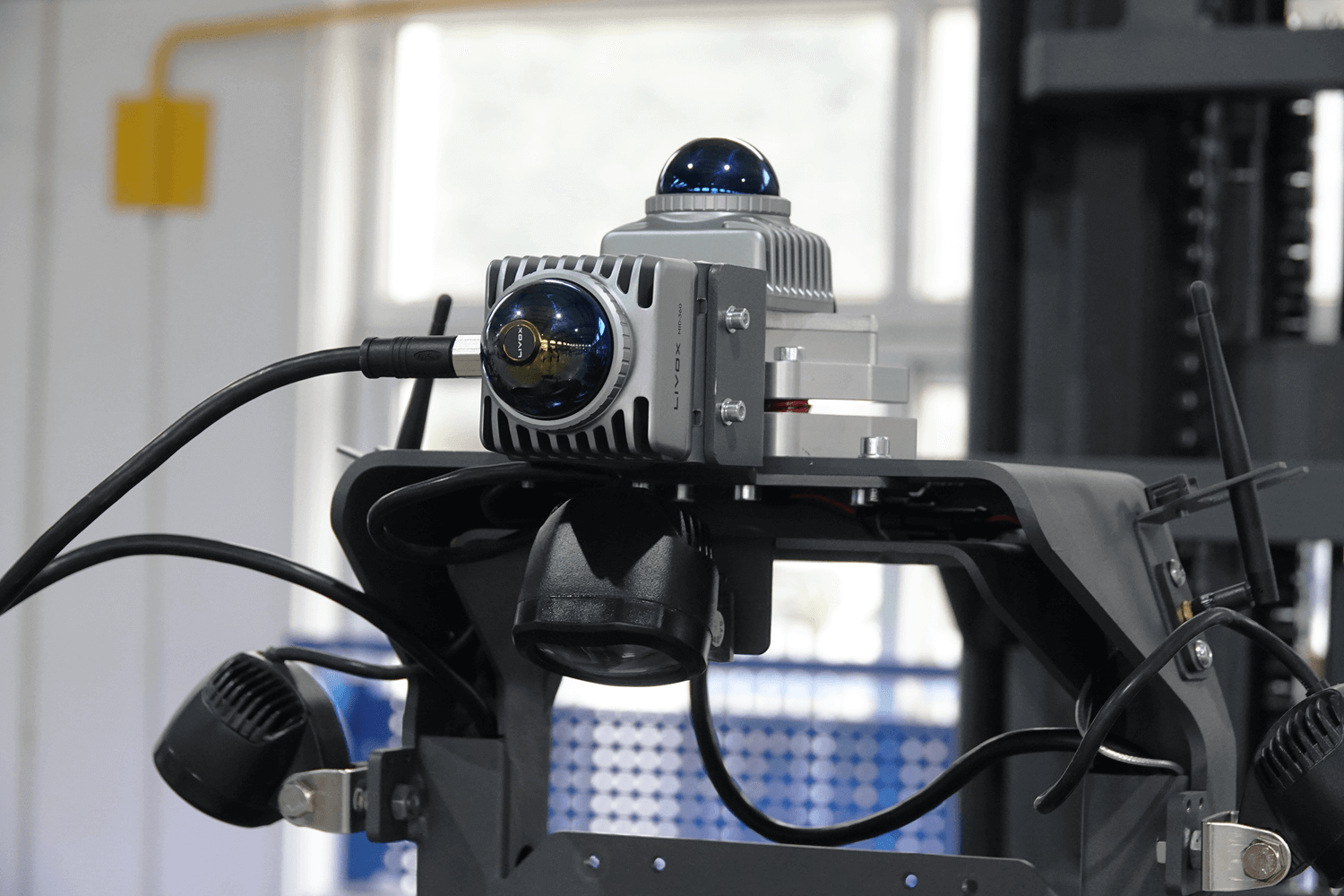
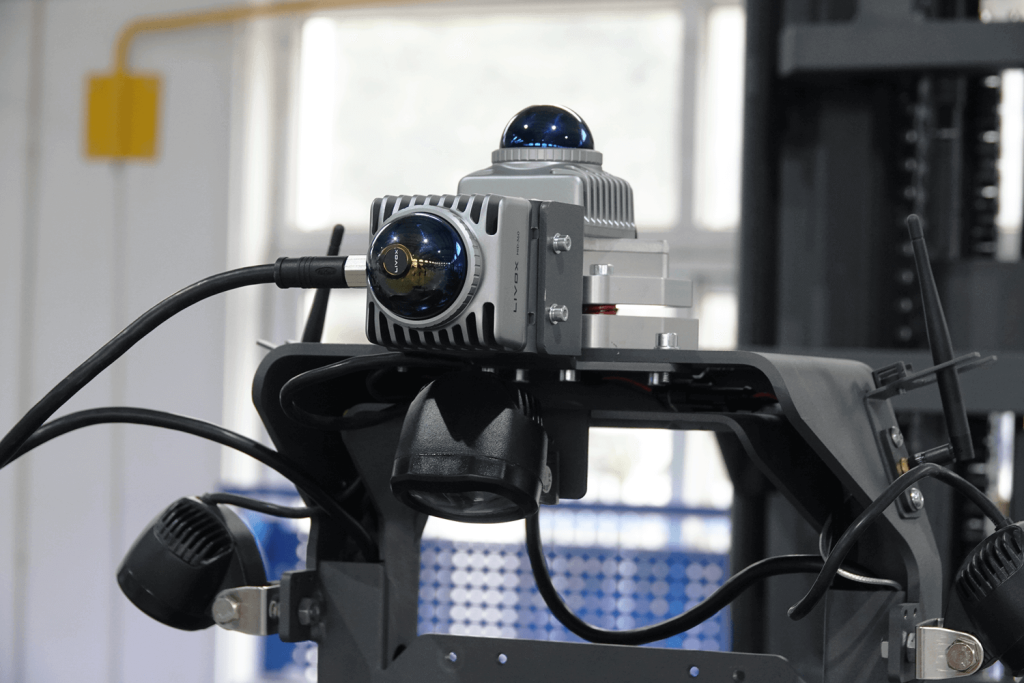
Autonomous systems must begin with a clear understanding of their environment. Our perception layer integrates camera feeds, LiDAR, radar, IMU data, and additional sensor inputs into a coherent and reliable view of the world. Through fusion models and scene understanding algorithms, we enable robots to recognise objects, measure distances, identify hazards, detect motion, and maintain situational awareness at all times.

Once a machine understands its surroundings, it must decide what to do next. Our planning systems combine behavioural modelling, predictive algorithms, and risk-aware logic to determine optimal actions. This includes navigating obstacles, adjusting to unexpected changes, and planning safe trajectories in dynamic settings such as warehouses, factories, or outdoor industrial sites.
To ensure safety, responsiveness, and reliability, our intelligence runs directly on robotic hardware. We optimise models for edge processors so that decision-making happens without reliance on cloud connectivity. This results in consistent low-latency control loops, reduced failure points, and robust performance in environments where every millisecond counts.
Building reliable autonomy requires a complete engineering pipeline, not isolated components. Neuroflux Systems has developed a structured approach that transforms raw data into validated behaviour. Our pipeline ensures that every stage, from data ingestion to model training to deployment, operates cohesively and meets the standards required for high-risk or high-value applications.
The foundation of autonomy lies in sensor fusion. Robots operating in the real world must interpret multiple, often noisy data streams simultaneously. Our fusion engine processes high-frequency camera feeds, three-dimensional point clouds, inertial measurements, and auxiliary sensor data to produce a unified environmental model. This integrated perception layer forms the basis of all downstream decision-making, ensuring consistency and reliability even in challenging conditions.
Adaptive Learning Models
Autonomous systems need models that can generalise across environments and adapt to new conditions. Our learning models include perception networks, planning policies, and predictive systems engineered for stability and performance. We apply rigorous validation, benchmarking, and stress testing to ensure these models behave predictably when deployed. Safety layers and behavioural constraints are added to maintain controlled, risk-aware outputs.
Edge Deployment Stack
Reliable autonomy depends on local execution. Our deployment stack packages trained models into lightweight, hardware-optimised runtimes designed for ARM processors, GPU modules, and specialised accelerators. This ensures that autonomous behaviour is executed with minimal latency, even in environments with limited connectivity. Built-in monitoring and diagnostics enable continuous improvement and field resilience.
Autonomy is not one-size-fits-all. Different industries face unique operational challenges, safety standards, and environmental conditions. Neuroflux Systems provides tailored solutions that respect the realities of each sector, enabling automation that enhances human capability while improving productivity and safety.
Manufacturing systems demand precision and coordination. Neuroflux enables intelligent robotic arms, automated inspection systems, and machine-tending robots to operate with improved accuracy and responsiveness. Our solutions enhance production throughput while maintaining strict safety and quality requirements.
Autonomous mobile robots (AMRs) and automated forklifts require fast planning, real-time perception, and safe navigation in environments that change constantly. We provide navigation stacks and behaviour models designed for crowded warehouse environments, enabling efficient routing, obstacle avoidance, and fleet-level coordination.
Mission-critical environments require extreme reliability. Our autonomy solutions support navigation in variable lighting, GPS-denied environments, and challenging atmospheric conditions. Safety envelopes, redundant perception, and robust planning algorithms ensure consistent performance in high-risk scenarios.
Robots deployed in the field must handle uneven terrain, unpredictable obstacles, and complex outdoor environments. We develop perception and control systems that enable inspection robots, maintenance units, and environmental monitoring platforms to operate independently and reliably.
The Neuroflux Autonomy Platform provides the structural foundation for all our services. It includes our perception stack, planning engine, digital twin environment, and embedded runtime. These components have been engineered to work together seamlessly, allowing rapid development cycles, consistent validation, and reliable deployment into production systems. The platform is modular, scalable, and designed for teams who require robust autonomy at industrial scale.
improvements. Neuroflux Systems partners closely with engineering teams to test, evaluate, and refine autonomy in practical deployments.
A forklift automation solution demonstrating a 40% reduction in collision likelihood and smoother route optimisation resulting from robust planning algorithms.
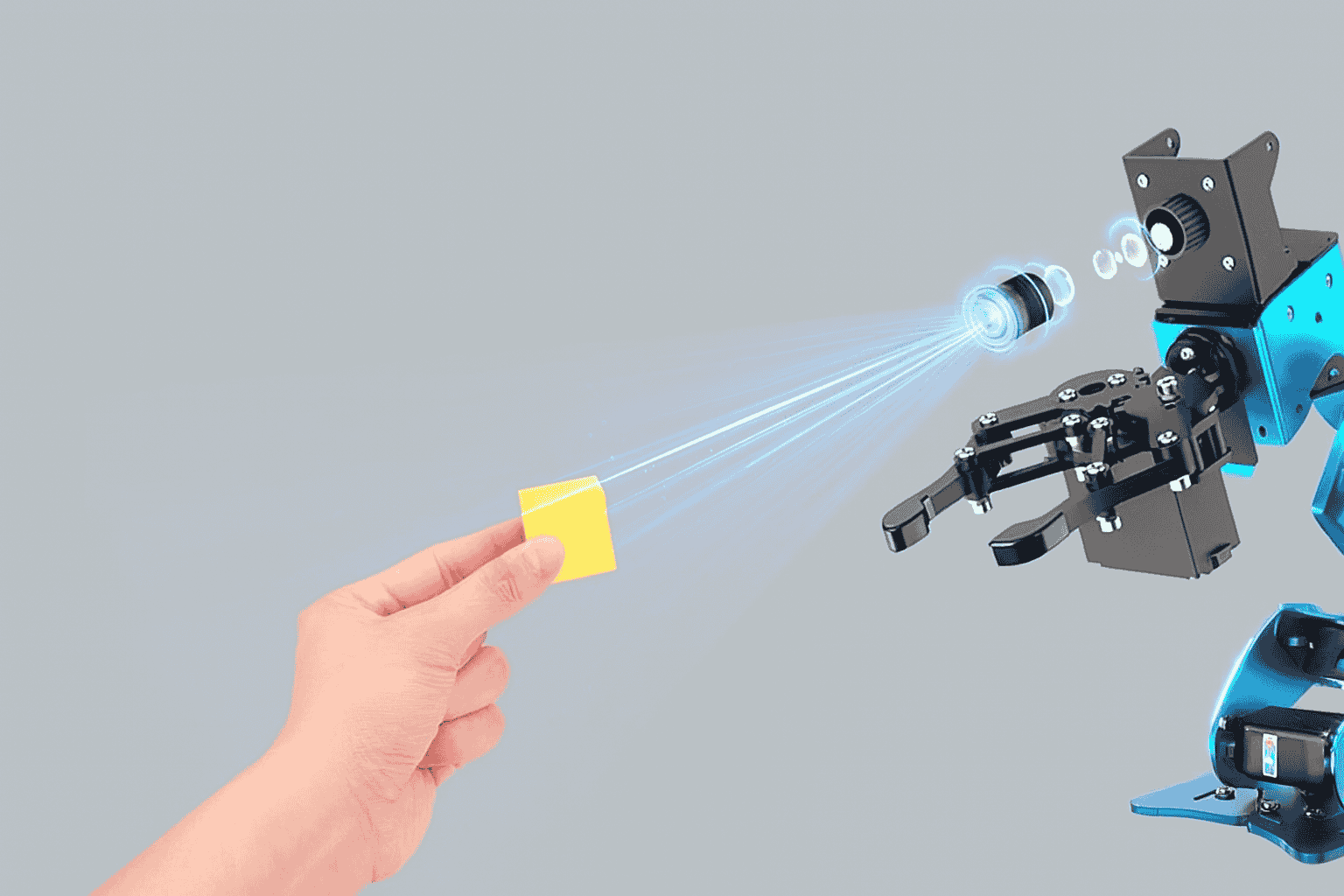
A vision system enhancement enabling reliable object identification in variable lighting conditions, improving pick-and-place accuracy by over 25%.

A navigation stack allowing autonomous rovers to operate safely without satellite positioning, reducing operator intervention and improving mission success rates.
We collaborate with robotics manufacturers and industrial operators through flexible engagement models. Whether you’re looking to augment an internal autonomy team, integrate a complete autonomy stack, or validate new behaviours in simulation, Neuroflux provides engineering support tailored to your requirements.
We work directly with your in-house engineering team to design, test, and deploy autonomous behaviours using your hardware and operational context.
For early-stage autonomy programmes, we create targeted pilot solutions to demonstrate feasibility, safety, and performance.
For teams without existing autonomy infrastructure, we implement perception, planning, simulation, and deployment components from end to end.
We provide ongoing assistance, model updates
Our strength comes from a diverse team with experience spanning embedded systems, autonomous robotics, machine learning research, industrial automation, and large-scale simulation environments. We bring together thinkers and builders who care deeply about crafting technology that works in the real world.
If you’re building the next generation of autonomous systems, or upgrading an existing platform, Neuroflux Systems can help you accelerate development, enhance safety, and deploy real-world intelligence with confidence.